
- Adopted
French Bulldog
Female
French Bulldog
Call or visit a store
Breed guide
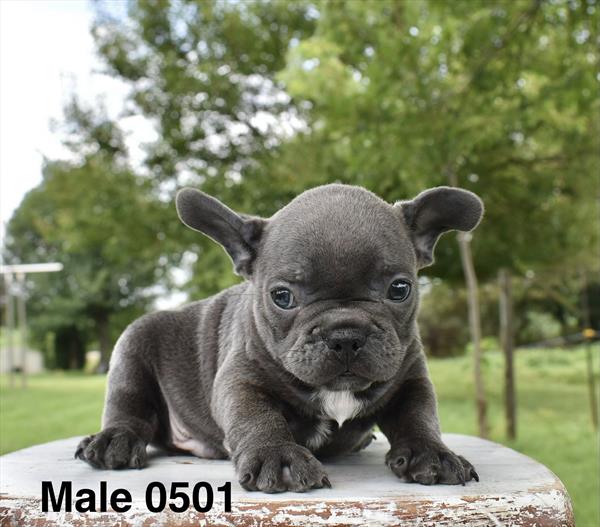
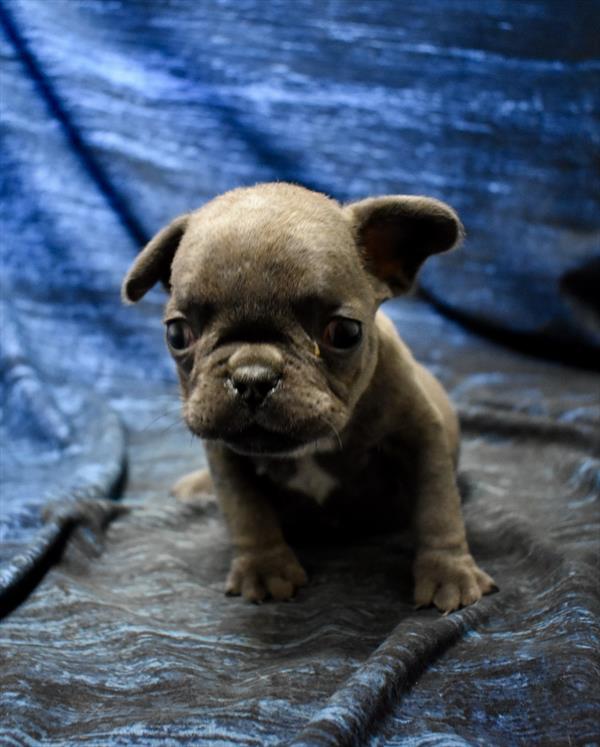
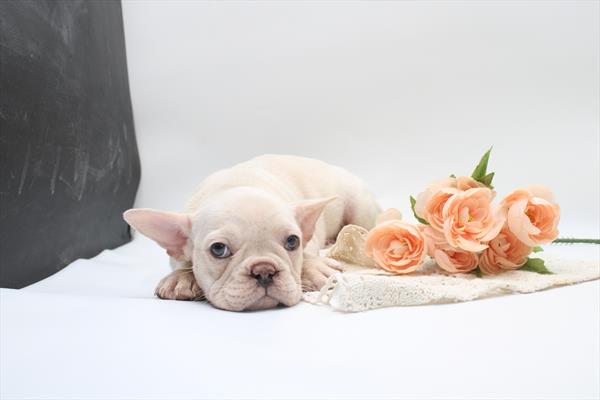
Often described as "a clown in the cloak of a philosopher," the French Bulldog originated as and continues to be used as a companion dog. The breed is small and muscular with a heavy bone structure, a smooth coat, a short face, and trademark "bat" ears. Prized for their affectionate natures and even dispositions, they are generally active and alert, but not unduly boisterous. Frenchies can be brindle, fawn, white, and brindle and white. We love these guys so much, we even did a whole blog dedicated to the French Bulldog.
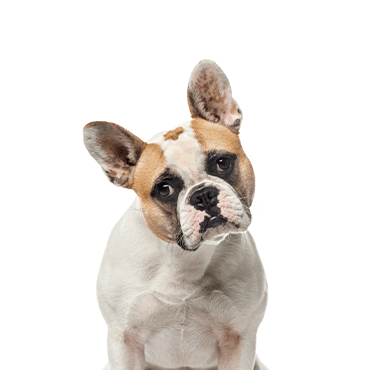
Often described as “a clown in the cloak of a philosopher,” the French Bulldog originated as and continues to be used as a companion dog. The breed is small and muscular with a heavy bone structure, a smooth coat, a short face, and trademark “bat” ears. Prized for their affectionate natures and even dispositions, they are generally active and alert, but not unduly boisterous. Frenchies can be brindle, fawn, white, and brindle and white.
We love these guys so much, we even did a whole blog dedicated to the French Bulldog.
History
Lacemakers in 19th Century Nottingham, England selectively bred the early bulldog for a downsized or “toy” bulldog, for use as a lap pet. When the Industrial Revolution displaced some lacemakers to France, they took the dogs with them, and soon the “toy” bulldogs became popular in France, where wealthy Americans doing the Grand Tour saw and fell in love with them. In the late 1800s, these “toy bulldogs” became known as French Bulldogs.
Temperament
Frenchies are indoor dogs but require air conditioning in warm weather. While good at alerting their owners to danger (Look! The UPS Guy is coming!), their main role is that of lap warmer. The Frenchie requires minimal exercise and grooming.
Environment
Exercise
Grooming
The things worth knowing before you bring a French Bulldog home.
Breed Facts content goes here.
Lacemakers in 19th Century Nottingham, England selectively bred the early bulldog for a downsized or “toy” bulldog, for use as a lap pet. When the Industrial Revolution displaced some lacemakers to France, they took the dogs with them, and soon the “toy” bulldogs became popular in France, where wealthy Americans doing the Grand Tour saw and fell in love with them. In the late 1800s, these “toy bulldogs” became known as French Bulldogs.
Frenchies are indoor dogs but require air conditioning in warm weather. While good at alerting their owners to danger (Look! The UPS Guy is coming!), their main role is that of lap warmer. The Frenchie requires minimal exercise and grooming.
Answer 1
Answer 2
Male
Puppygram Metro Detroit Metro Detroit, Michigan
(248) 439-0605Tell us what you are looking for and we will get back to you as soon as we can. Or call the store and speak to somebody today.
Female
French Bulldog
Walk in any day we are open. Our Puppy Ambassadors will introduce you, answer every question and help you find the one who picks you.
9546 Allisonville Rd
Indianapolis, IN 46250
2056 S Hurstbourne Pkwy
Louisville, KY 40220
28297 Suite B Woodward Ave
Berkley, MI 48072